
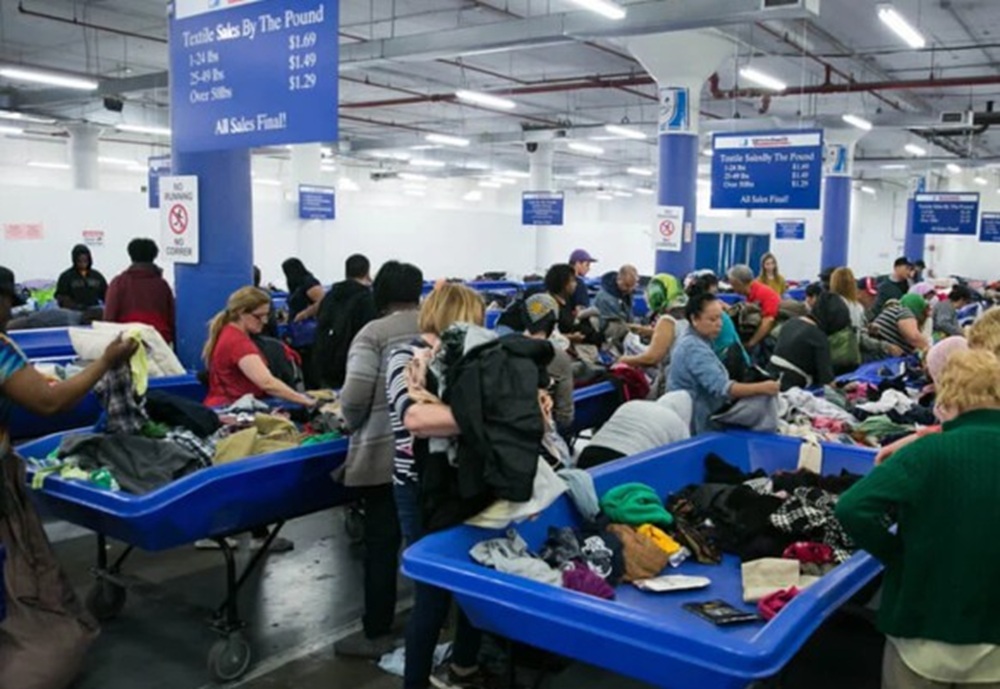
Why the Goodwill Outlet Is a Reseller’s Secret Weapon
If you’ve ever watched resellers on TikTok or YouTube grab massive carts of clothes for under $40, you’ve probably seen them sourcing at the Goodwill Outlet—also known as the Goodwill Bins.
Unlike regular Goodwill retail stores that price items one-by-one, the Outlet locations use weight-based pricing, meaning you pay by the pound. If you’ve been thinking about reselling or want to stretch your personal clothing budget, the Bins can be a high profit game-changer for reselling.
This guide breaks down what the Goodwill Bins are, their pricing strategies, and the best alternatives if you don’t have a Bins location nearby but after reading this, it may be worth a short trip!
What Is the Goodwill Outlet (AKA the Goodwill Bins)?
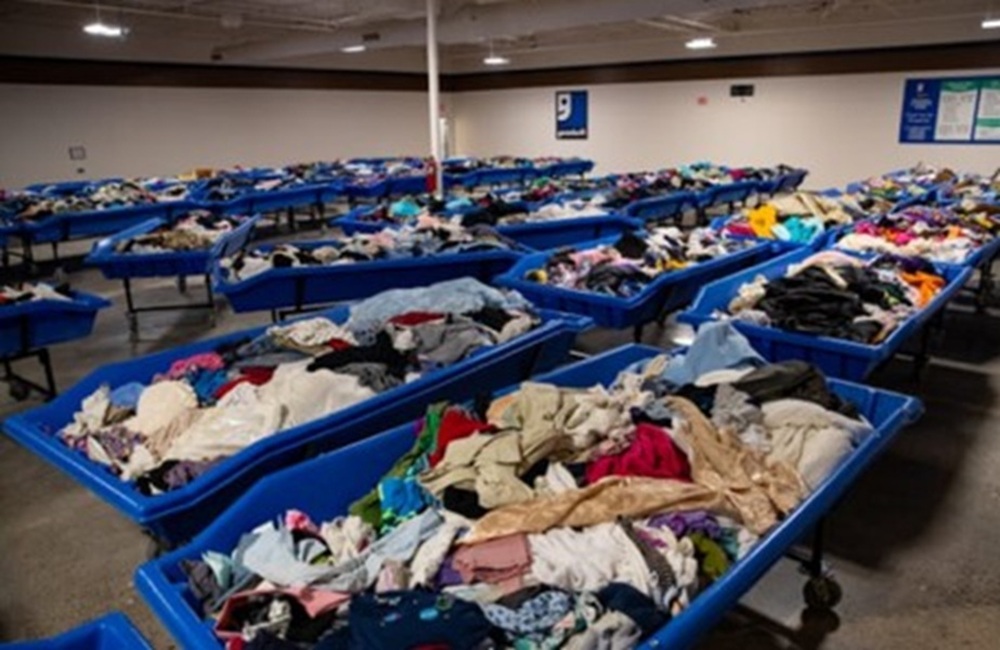
Goodwill Outlets—better known as the Goodwill Bins—are the final stop in the donation chain before items are recycled, liquidated, or discarded.
Instead of pricing items individually like a regular Goodwill store, everything is placed into large rolling bins and sold by the pound. That’s why you’ll see resellers filling carts with clothing, shoes, and random treasures—then checking out for $20–$60 total.
But here’s what most people don’t realize…
The Bins aren’t just “leftovers.”
They’re a mix of multiple inventory streams, and understanding those streams is what gives resellers a serious edge.
How Inventory Ends Up at the Goodwill Bins
Goodwill operates like a full-scale retail and logistics system. Donations don’t just go straight to the floor—they go through sorting, pricing, and rotation cycles.
Here’s exactly how items make their way to the Outlet:
1. Store Pulls (Items That Didn’t Sell in Time)
This is the biggest source of inventory at the Bins.
Regular Goodwill stores run on a rotation schedule. If an item doesn’t sell within a certain window (usually 3–5 weeks, depending on the region), it gets pulled from the sales floor.
These items are then:
- Removed in bulk
- Loaded into trucks
- Sent to the Outlet
Why this matters for resellers:
These are often good items that just didn’t get noticed—wrong location, bad timing, or poor merchandising.
You’ll find:
- Brand-name clothing
- Shoes that were overpriced at retail
- Seasonal items that missed their window
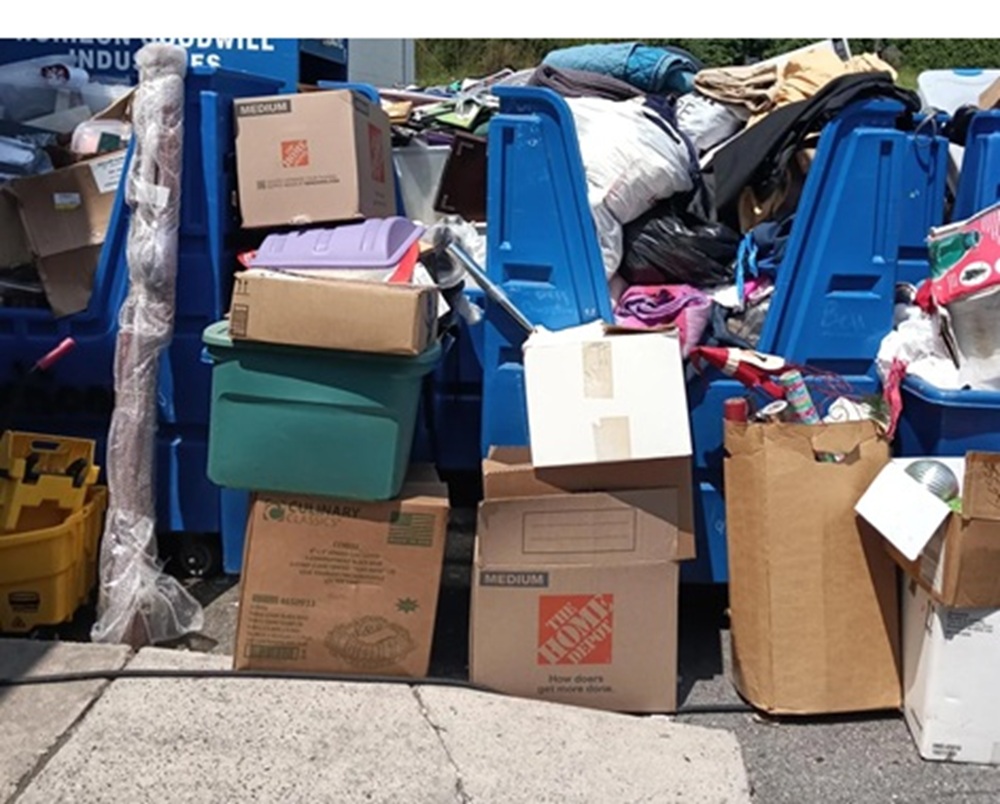
2. Overflow Donations (Too Much Inventory to Process)
Goodwill receives massive donation volume, especially during:
- Spring cleaning season
- Back-to-school
- Post-holiday cleanouts
- End-of-year purges
Sometimes there’s simply too much inventory to process and price.
Instead of holding it or sending it to stores, Goodwill may:
- Sort it quickly
- Send it directly to the Outlet
Why this matters:
This inventory is often untouched and unpicked, meaning you’re sometimes digging through items that never even hit a retail floor.
Start Sourcing Your Inventory for Pennies!
Find the Goodwill Outlet Location Closest to you, but keep in mind not every state has a Bins location!
Find Your Goodwill Outlet Bins Location Here!
3. Low-Value or Hard-to-Price Items
Not everything is worth pricing individually.
If an item:
- Has no clear brand
- Doesn’t justify shelf space
- Would sell for $1–$3 at retail
…it often goes straight to the Bins.
Examples include:
- Basic clothing (no brand or fast fashion)
- Outdated styles
- Generic household goods
Reseller insight:
Even “low value” items can flip if:
- You bundle them
- They match a trending aesthetic (Y2K, cottagecore, etc.)
- You re-list them with better keywords
4. Salvage and Imperfect Items
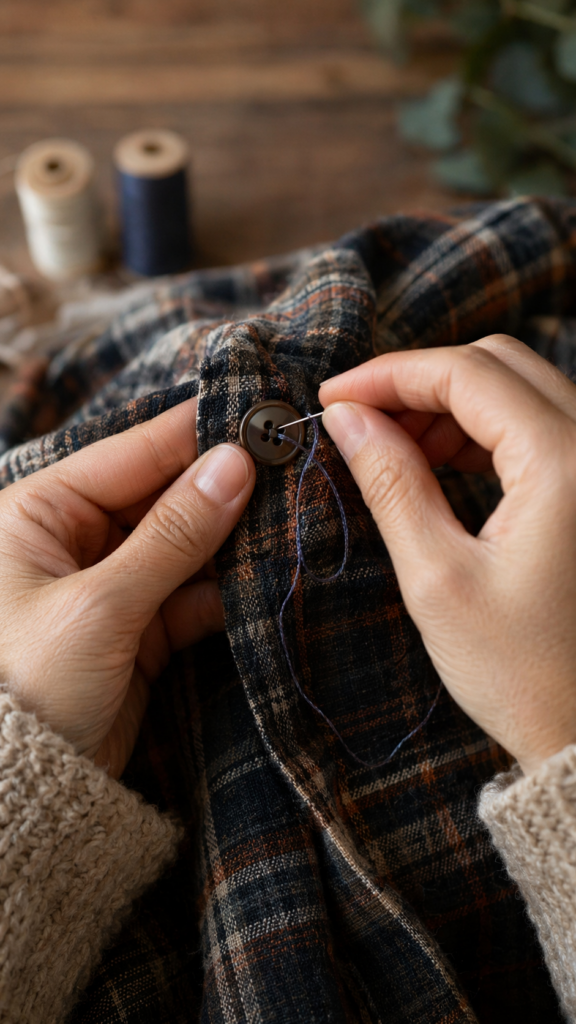
Some items arrive damaged, incomplete, or slightly flawed.
Instead of throwing them away immediately, Goodwill sends them to the Outlet to give them one last chance.
This includes:
- Clothes with minor flaws (missing buttons, small stains)
- Single shoes
- Broken electronics
- Incomplete sets
Why this matters:
This is where experienced resellers make money by:
- Repairing items
- Parting things out
- Upcycling or repurposing
5. Seasonal Leftovers
Timing is everything in retail.
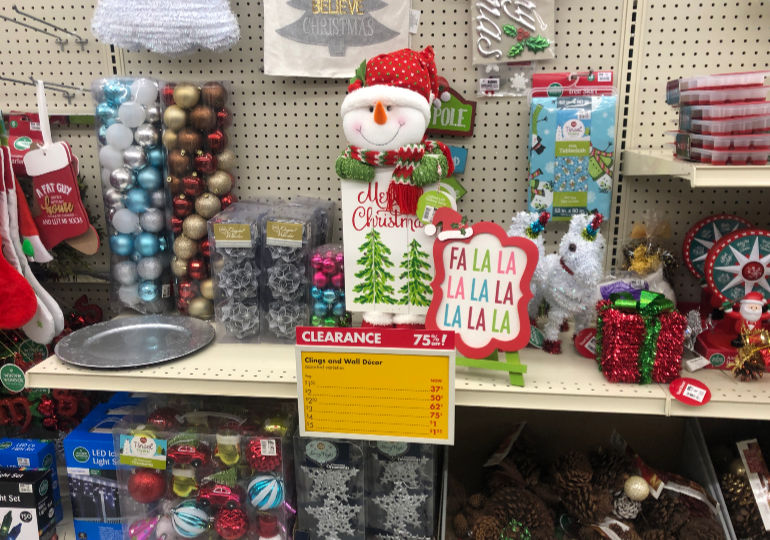
If seasonal items don’t sell fast enough, they get pulled—even if they’re still valuable.
Examples:
- Christmas décor in January
- Halloween costumes in November
- Summer clothing in fall
Reseller advantage:
You can buy these items off-season at rock-bottom prices and flip them later at peak demand.
6. Returns, Transfers, and Store Cleanouts
Goodwill locations constantly reorganize inventory.
This includes:
- Store remodels
- Inventory resets
- Transfers between locations
- Bulk clear-outs
Anything that doesn’t fit the new layout or merchandising plan may get sent to the Outlet.
7. Unsold Bulk and Liquidation Flow
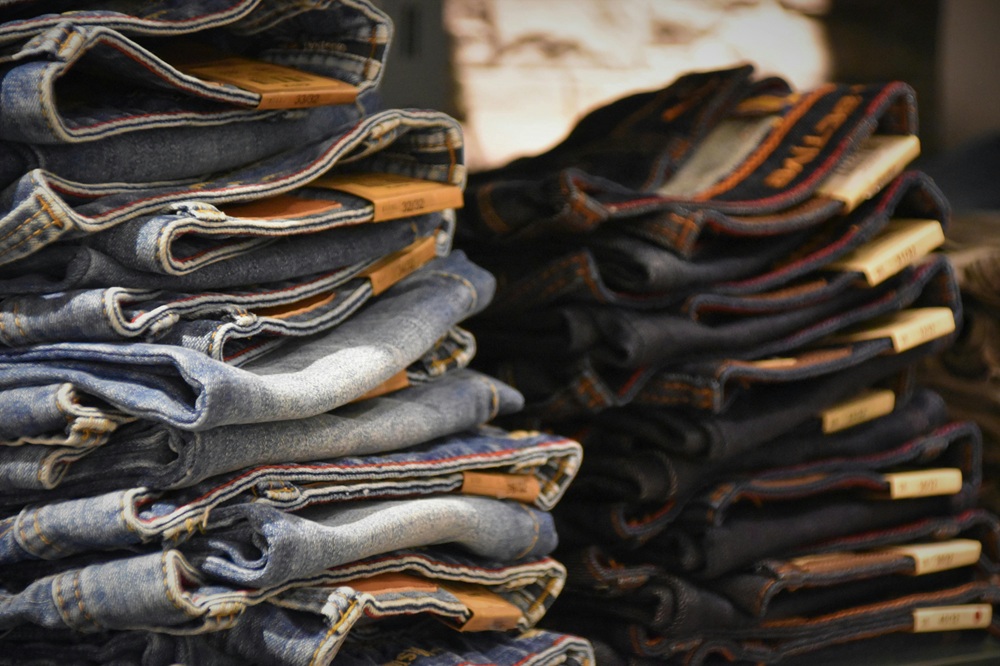
Goodwill’s goal is to move inventory fast.
Anything that lingers too long—even at the Outlet—may eventually be:
- Sold in bulk to salvage buyers
- Recycled into textiles
- Exported overseas
The Bins are essentially the last retail opportunity before that happens.
Related: How to Shop the Goodwill Bins for Reselling Like a Pro (Insider Tips!)
Typical Pricing at Goodwill Outlets
Goodwill Outlets are the final stop for donated items that didn’t sell in regular Goodwill stores. Instead of being thrown away, these items are placed into large blue bins and sold by weight. This is where you get a true volume price: you can get 50+ pieces of inventory for under $20 in many cases depending on the type of item you’re buying.
Prices vary by region, but here’s a general guide:
| Category | Common Pricing |
| Clothing | $0.79–$1.89 per pound |
| Shoes | $1.49–$2.49 per pound |
| Hard Goods | $0.69–$1.49 per pound |
| Books | $0.20–$0.79 per pound |
| Glassware | $0.59–$0.89 per pound |
| Accessories | Usually included with soft goods pricing |
Some locations include price breaks when you purchase over certain weight thresholds, like:
- Over 25 lbs. = lower price per pound
- Over 50 lbs. = even deeper discount
Pricing changes occasionally, and each Goodwill region sets its own rules.
Why This System Creates Massive Opportunities for Resellers
When you understand how inventory flows, the Bins stop feeling random—and start feeling strategic.
You’re not just digging through junk.
You’re sourcing from:
- Missed retail opportunities
- Unprocessed donations
- Off-season inventory
- Undervalued items
That’s why experienced, successful resellers consistently find hidden gems for pennies per item. Don’t miss out on the high profits you can make by sourcing at the Bins, even if you have to drive a couple hours to find yours. It’s well worth it when you start making sales that have a 70-90% profit margin!
Best Alternatives to Goodwill Outlet Stores
If you don’t have a Goodwill Bins nearby, try these sources:
1. Salvation Army Family Stores
They often have tag-day discounts up to 50–75% off.
2. Mom-and-Pop Thrift Stores
Small shops usually accept bulk deals if you ask politely.
3. Habitat for Humanity ReStore
Great for hard-goods flippers—furniture, décor, hardware.
4. Local Flea Markets
Most vendors liquidate for cheap at the end of the day.
5. Facebook Marketplace
Search: “Bulk clothing,” “Garage clean-out,” “Reseller lot,” and “Take all.”
Bottom Line
The Goodwill Bins aren’t just a clearance store—they’re a high-volume inventory funnel where timing, volume, and pricing strategies all collide.
If you know why items end up there, you can shop smarter, spot value faster, and build a much more profitable reselling system.