

Need Fast Cash? This Side Hustle Pays You Same Day
If you need money fast—like this week, not next month—donating plasma is the most underrated but top paying side hustle available right now.
No experience.
No special skills.
No upfront investment.
You can literally walk into a plasma center and get paid the same day.
Many people are earning $400 to $1,000 per month as a side hustle just by donating plasma consistently—and if you take advantage of new donor bonuses, you can make even more in your first 30 days.
Keep reading for details on how this side hustle works, how much you can realistically earn, and how to maximize your side hustle income.
What Is Plasma Donation (And Why Do You Get Paid?)
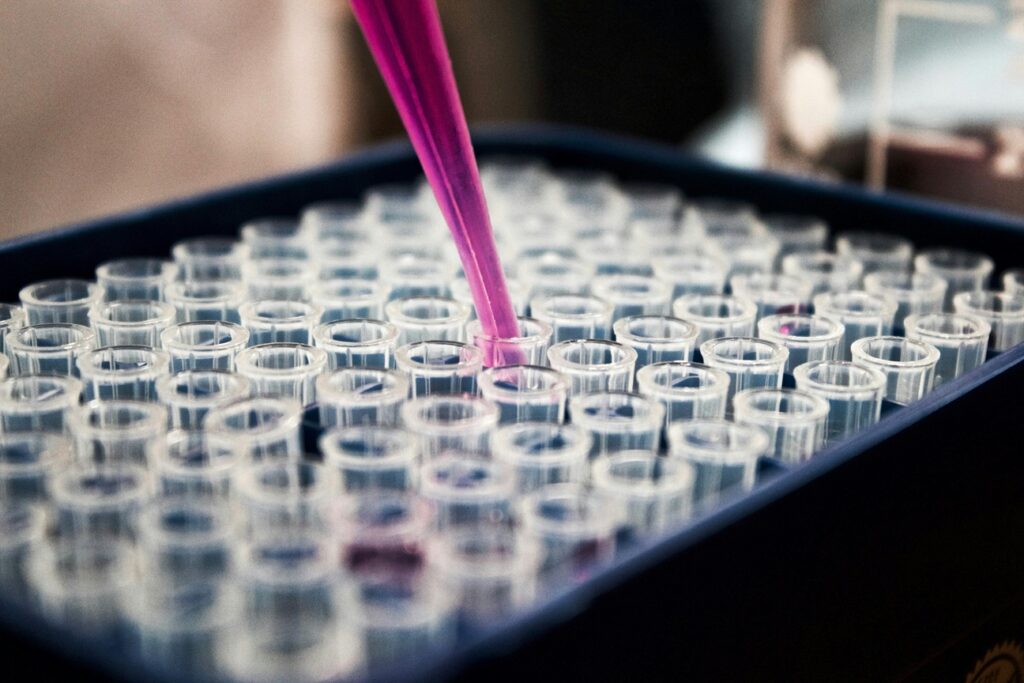
Plasma is the clear, liquid part of your blood that makes up about 55% of your total blood volume. It plays a critical role in your body by carrying:
- Nutrients (like glucose and vitamins)
- Hormones
- Proteins (including antibodies)
- Waste products to be filtered out
Think of plasma as the transport system that keeps everything in your body moving efficiently.
Why Plasma Is So Valuable
Plasma isn’t just important for your body—it’s also essential in modern medicine.
Donated plasma is used to create therapies that help treat people with:
- Immune disorders
- Hemophilia and other bleeding conditions
- Severe burns and trauma injuries
- Chronic illnesses and rare diseases
- Neurological conditions
These treatments often rely on plasma-derived medications, which can’t be fully replicated synthetically. That means there’s an ongoing, real-world demand for donors.
Why You Get Paid for Donating Plasma
Unlike traditional blood donation (which is usually unpaid), plasma donation centers compensate you for a few key reasons:
1. Time Commitment
A single visit can take 60–90 minutes, and your first visit may take even longer. You’re being paid for your time and consistency.
2. Ongoing Demand
Plasma is needed year-round, and demand continues to grow as more treatments are developed.
3. Donor Retention
Centers rely on repeat donors, so they offer:
- Competitive payouts
- Bonuses for frequent visits
- Promotions and referral incentives
How Plasma Donation Works (Quick Overview)
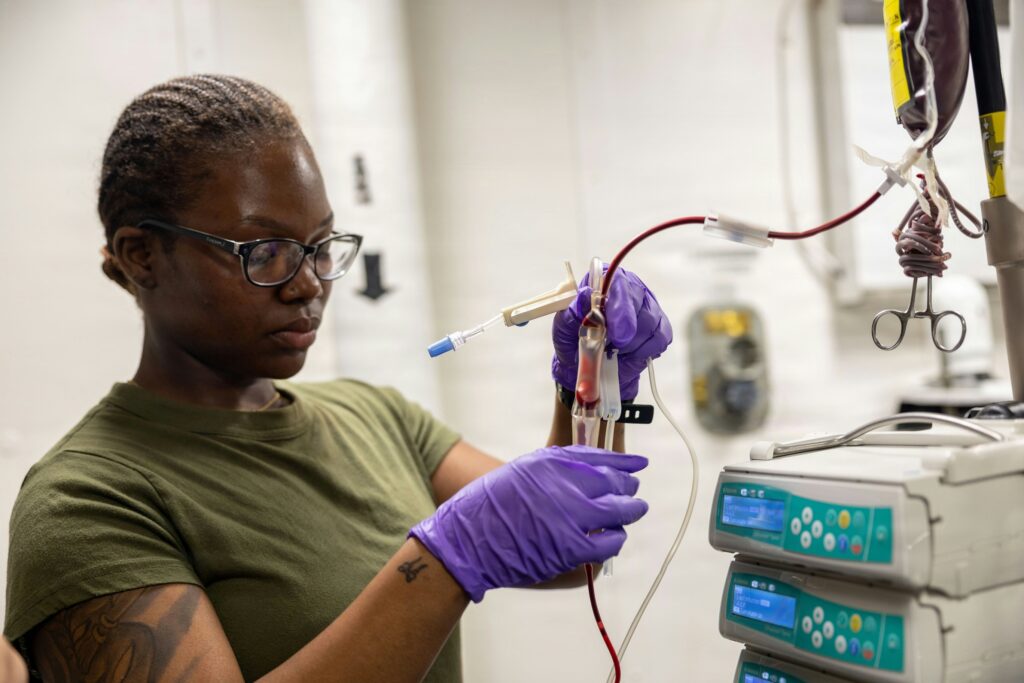
The process is called plasmapheresis:
- Blood is drawn from your arm
- A machine separates the plasma from the blood
- Red blood cells and platelets are returned to your body
- The collected plasma is stored for medical use
Your body naturally replaces plasma within 24–48 hours, which is why you can donate up to twice per week.
What Your First Plasma Donation Visit Actually Feels Like
If you’re thinking about trying this side hustle, your biggest question is probably:
“What is this actually going to be like?”
Let’s walk through it so you know exactly what to expect—no surprises.
Step 1: Check-In (Feels Like a Doctor’s Office)
When you arrive, you’ll check in at the front desk.
You’ll need:
- A valid ID
- Social Security number (for payment/tax purposes)
- Basic personal information
From there, you’ll fill out a questionnaire about your health history.
What it feels like:
Very similar to checking in for a routine doctor’s appointment.
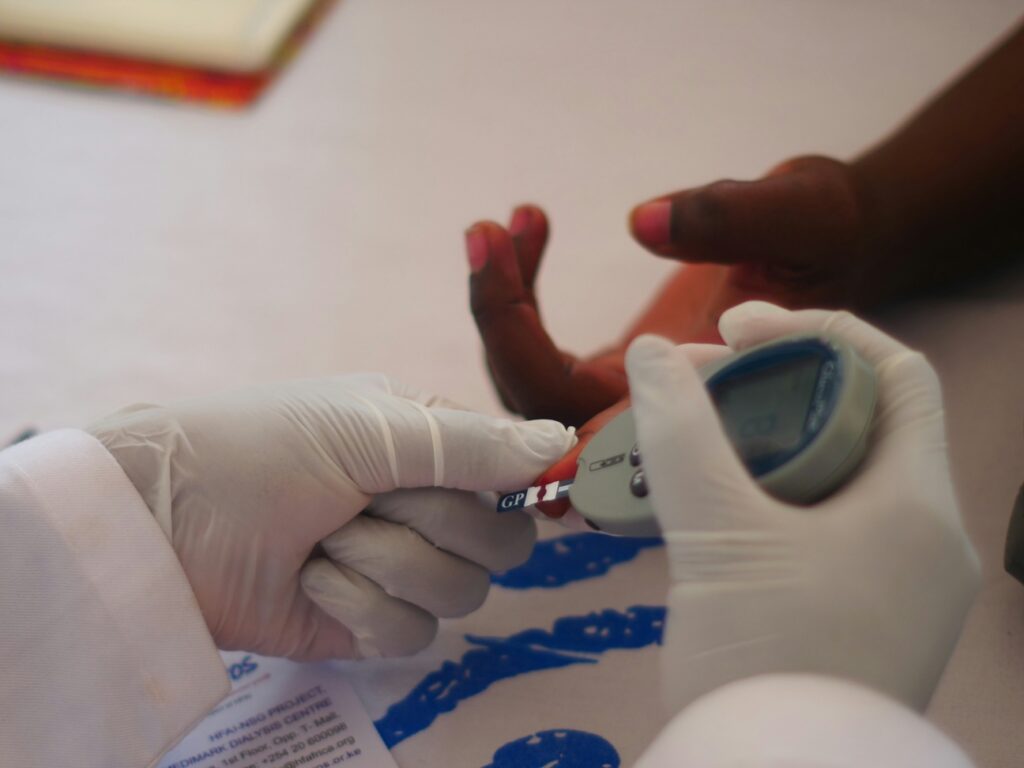
Step 2: Health Screening (Quick + Straightforward)
Before donating, you’ll go through a basic screening that includes:
- Weight check
- Blood pressure
- Finger prick (to test protein/iron levels)
- Short medical review
This is done every visit, not just the first one.
Step 3: The First Visit Takes Longer
Your first appointment usually takes 2–3 hours total.
Why?
- Extra paperwork
- Full physical screening
- Staff explaining the process
After your first visit, most appointments drop to 60–90 minutes.
What it feels like:
A bit slow at first, but much faster once you’re in the system.

Step 4: The Donation Process (The Main Event)
You’ll be seated in a reclining chair, similar to a blood donation setup.
Here’s what happens:
- A technician inserts a needle into your arm
- Blood flows into a machine
- Plasma is separated out
- The rest of your blood is returned to your body
This cycle repeats until your donation is complete.
What it feels like:
- A quick pinch when the needle goes in
- After that, mostly just sitting and relaxing
- You can scroll your phone, watch videos, or listen to music
Most people say it’s more boring than uncomfortable.
Step 5: After Your Donation
Once you’re done:
- The needle is removed
- You’ll be bandaged up
- Staff may offer water or a snack
- You’re free to leave
Your payment is typically loaded onto a prepaid debit card the same day.
Real Talk: What Most People Notice
Here’s the honest experience most donors report:
- The first visit feels the longest
- Staying hydrated makes everything easier
- Bringing your phone/headphones makes the time fly
- After 1–2 visits, it becomes routine
Tip: Make Your First Visit Easier
Before you go:
- Drink plenty of water
- Eat a protein-rich meal
- Avoid caffeine right before your visit
- Bring something to keep you entertained
These small things can make a huge difference in how smooth your visit feels.
Bottom Line
Your first visit might feel a little unfamiliar—but it’s simple, structured, and very manageable.
Once you’ve done it once, it quickly turns into a repeatable routine that pays you every week.
What Can Disqualify You From Donating Plasma?
Before you head to a plasma center, it’s important to know that not everyone will qualify—and that’s completely normal.
Plasma centers follow strict health and safety guidelines to protect both you and the people receiving plasma-based treatments.
Here’s what can temporarily or permanently disqualify you.
Basic Eligibility Requirements
To donate, you generally must:
- Be between 18–65 years old (varies by center)
- Weigh at least 110 pounds
- Be in generally good health
- Have a valid ID and Social Security number
If you don’t meet these, you won’t be able to donate.
Health-Related Disqualifications
You may be disqualified if you have certain medical conditions, including:
- Blood disorders
- Active infections
- Certain chronic illnesses
- Low protein or iron levels
- Uncontrolled high blood pressure
You’ll be screened before every donation to make sure it’s safe.
Temporary Disqualifications (Very Common)
These are the most common—and many are short-term.
You may be temporarily deferred if you:
- Are dehydrated
- Didn’t eat enough before your visit
- Have low iron or protein levels that day
- Recently got a tattoo or piercing
- Are currently sick or recovering from illness
- Recently traveled to certain countries
Good news: Most of these are fixable within days or weeks.
Medications That May Disqualify You
Some medications can prevent you from donating, depending on:
- What the medication is
- Why you’re taking it
For example:
- Blood thinners
- Certain acne medications
- Some immune or hormone treatments
Always disclose medications honestly—staff will determine eligibility.
Lifestyle Factors That Can Affect Eligibility
Plasma centers also screen for certain lifestyle factors, such as:
- Recent alcohol or drug use
- High-risk activities that may affect blood safety
- Pregnancy (you typically cannot donate while pregnant)
These rules are in place to ensure plasma safety for medical use.
What Happens If You Get Disqualified?
If you’re turned away, don’t stress—it happens all the time.
Most disqualifications are:
- Temporary
- Easy to fix
- Based on that day’s health metrics
Staff will usually tell you:
- Why you were deferred
- When you can come back
Pro Tip: How to Avoid Getting Turned Away
To increase your chances of qualifying:
- Drink plenty of water before your visit
- Eat a protein-rich meal
- Get a good night’s sleep
- Avoid alcohol beforehand
- Be honest on all screening questions
These simple steps can make a big difference.
Bottom Line
Getting disqualified isn’t the end—it’s usually just a delay.
Most people who don’t qualify the first time can come back and donate successfully later.
And once you’re eligible, this becomes a consistent, repeatable way to earn extra money.
Is Plasma Donation Safe?
Yes—plasma donation is a highly regulated medical process in the United States.
- Centers follow strict guidelines set by the FDA
- Equipment is sterile and single-use
- Staff are trained medical professionals
- Donors go through health screenings before each visit
Most people tolerate the process well, with only mild side effects like slight fatigue or dehydration in some cases.
How Much Money Can You Make Donating Plasma?
One of the biggest reasons people try this side hustle is simple: it pays relatively fast and can add up quickly if you stay consistent.
While exact payouts vary by location and current promotions, most people can realistically earn anywhere from $400 to $1,000 per month donating plasma.
What You Can Expect Per Visit
On average, plasma centers pay between $40 and $70 per visit for returning donors.
Since you can typically donate up to twice per week, that means:
- Earning around $80 to $140 per week on the lower end
- Closer to $160 to $300 per week when rates or bonuses are higher
Your actual payout depends on factors like:
- Your body weight (higher weight can sometimes mean higher pay)
- The center’s current compensation structure
- Whether you qualify for bonuses or promotions
Why Your First Month Pays the Most
Here’s where this side hustle really stands out:
Most plasma centers offer new donor bonus programs, which can significantly increase your earnings right away.
It’s common for new donors to earn $500 to $1,000 or more in their first month by completing a set number of donations within a specific timeframe.
These bonuses are designed to encourage consistency early on—and they’re one of the fastest ways to generate quick cash.
What Happens After the Bonus Period
After your initial bonus period ends, your earnings usually settle into a more predictable range.
At that point, most donors make around $400 to $700 per month by donating regularly.
While that’s lower than the first-month spike, it’s still a reliable and repeatable income stream—especially for something that doesn’t require skills, experience, or a long-term commitment.
How to Increase Your Earnings
If you want to stay closer to the higher end of the income range, consistency is key.
Donors who maximize their earnings typically:
- Donate twice per week every week
- Take advantage of seasonal promotions and bonuses
- Participate in referral programs when available
Even small bonuses can add up over time and push your monthly earnings significantly higher. Let’s put this into perspective.
If you donate twice per week and average around $90 total per week, you’re looking at roughly $360 per month.
If your center offers higher rates or you qualify for bonuses, that number can easily increase to $600, $800, or even more.
And during your first month, it’s very realistic to hit or exceed $1,000 with the right promotions.
The Bottom Line
Donating plasma isn’t going to replace a full-time income—but it’s one of the most consistent and accessible ways to make extra money quickly.
If you stay consistent, it can become a dependable way to:
- Cover bills
- Build a small financial cushion
- Stack income alongside other side hustles
And the best part? You can start earning within your first week.
How to Maximize Your Plasma Income
This is where most people leave money on the table—don’t be that person.
1. Max Out Your Donations (2x Per Week)
This doubles your income potential immediately.
2. Stack New Donor Bonuses
Many centers offer structured bonuses like:
- $100 first visit
- $125 second visit
- $150 third visit
Tip: After completing one center’s bonus cycle, you can explore others (where allowed).
3. Watch for Promotions
Look for:
- Holiday bonuses
- Monthly streak bonuses
- Extra pay for consistent visits
4. Use Their Referral Programs
Invite friends and earn additional cash per referral.
Best Plasma Centers That Pay the Most
- Strong first-time donor bonuses
- Widely available
- Clean facilities
- Frequent promotional offers
- Competitive ongoing pay
- Easy-to-use rewards system
Frequently Asked Questions
How much can you make donating plasma per week?
Most people can earn between $100 and $300 per week, depending on:
- How often you donate (up to 2 times per week)
- The center’s current pay rates
- Bonuses and promotions
New donors can often earn more during their first month due to sign-up incentives.
How often can you donate plasma?
In the United States, you can typically donate plasma:
- Up to 2 times per week
- With at least one day between donations
This allows your body enough time to safely replenish plasma levels.
Is donating plasma safe?
Yes—plasma donation is considered safe for healthy individuals.
- It’s regulated by the FDA
- Uses sterile, single-use equipment
- Includes a health screening before every visit
Most side effects are mild, such as slight fatigue or dehydration.
How long does it take to donate plasma?
- First visit: 2–3 hours
- Future visits: 60–90 minutes
The first visit takes longer due to paperwork and screening.
Do you get paid the same day?
Yes. Most plasma centers pay you:
- Immediately after your donation
- Through a prepaid debit card
This is one of the biggest advantages if you need fast cash.
Does donating plasma hurt?
Most people describe it as:
- A quick pinch when the needle is inserted
- Minimal discomfort afterward
During the process, you’re usually just sitting and relaxing.
Can you donate plasma if you have a job?
Yes—many people donate plasma around their regular work schedule.
Because centers offer flexible hours, it’s easy to fit into:
- Evenings
- Weekends
- Days off
What disqualifies you from donating plasma?
You may be disqualified due to:
- Low iron or protein levels
- Illness or infection
- Certain medications
- Recent tattoos or travel
Many disqualifications are temporary and easy to fix.
Is donating plasma worth it as a side hustle?
If you’re looking for:
- Fast cash
- Consistent weekly income
- A low-effort side hustle
Then yes—it can absolutely be worth it.
Many people use it as:
- A short-term cash boost
- A recurring income stream
- A way to stack with other side hustles
Can you combine plasma donation with other ways to make money?
Yes—and this is where it gets powerful.
While you’re at the center, you can:
- Take online surveys or play games
- Use cashback apps
- Plan or run other side hustles
This helps you maximize your time and increase your total income.
Final Tip
If you’re serious about making extra money, don’t rely on just one method. Use plasma donation as a starting point, then layer in other side hustles to build a $500–$1,000+ monthly income system.