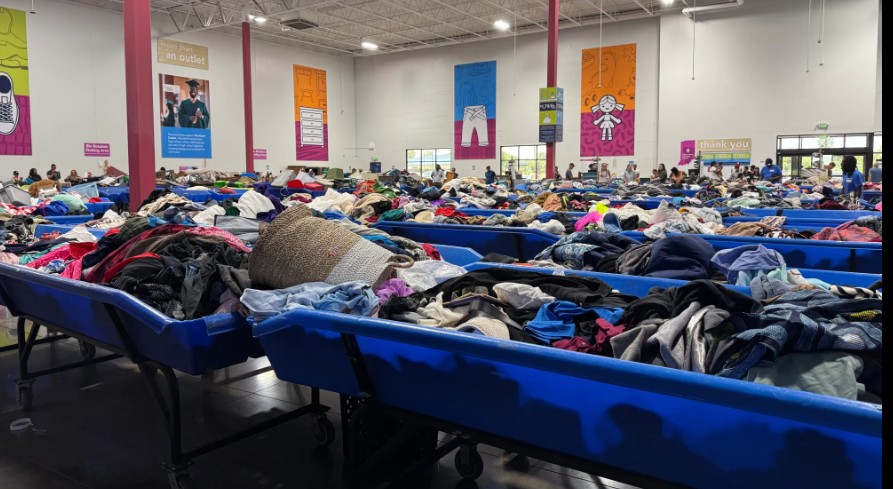
Shopping at the Goodwill Bins is very different from a regular thrift store. There are no carts neatly lined up, no organized racks, and definitely no checkout bags waiting for you.
If you show up unprepared, it can feel chaotic fast. But if you come in with a simple game plan, you’ll have a huge advantage over everyone else digging through the bins.
Bring Your Own Rolling Cart
Most Goodwill Outlet locations either have limited carts or none available at all. And even if they do, they go fast. That’s why serious resellers bring their own. Once you understand the layout of the physical bins, you’ll definitely understand why a rolling bag is a must have! It can stay in front of you or right beside you while you’re sifting through each bin and having one makes it easy to grab, drop, and move to the next item when you find something.
I have three of these rolling bags (they’re just that good) and use them almost every day. Just be sure to get a rolling bag with a top opening that can fold down and stay open and sturdy handles and wheels.
Why this matters:
- You can hold way more inventory
- You don’t have to guard your pile
- You can move quickly between bin rotations
- You avoid carrying heavy loads by hand
If you plan to source regularly, this is one of the best small investments you can make.
Bring Your Own Bags (They Do NOT Provide Them)
This is the mistake almost everyone makes the first time. Goodwill Bins do not provide bags.
Once you check out, you’re on your own to carry everything you just bought. I’ve seen dozens of people with huge piles of clothes over their shoulders, arms, and even have their kids carrying stacks. You only make this mistake once. Yes, you can use large Tyvek or poly bags to carry and transport your inventory, but I use these zippered bags instead. Why? Because they’re heavy duty (I once had 40 pairs of jeans in one bag), zip close to prevent damage, spills, dust or dirt, and have strong webbed handles. Trust me, once you have a cheap bag handle tear off and your inventory spills onto the parking lot on a rainy day you’ll rethink using the basic IKEA bag.
Bring:
- Large reusable tote bags
- Laundry bags
Pro tip:
Keep bags inside your cart while you shop so you can load items as you go.
Bring Hand Sanitizer or Wear Gloves
These are items that are typically pre-owned and not everyone has the best hygiene or even washes their items before they donate them. It’s not unusual to see (or smell) body odor stains, other kinds of body fluid stains, muddy shoes, etc. when you’re digging through the items.
Dress for the Bins (Comfort Over Style)
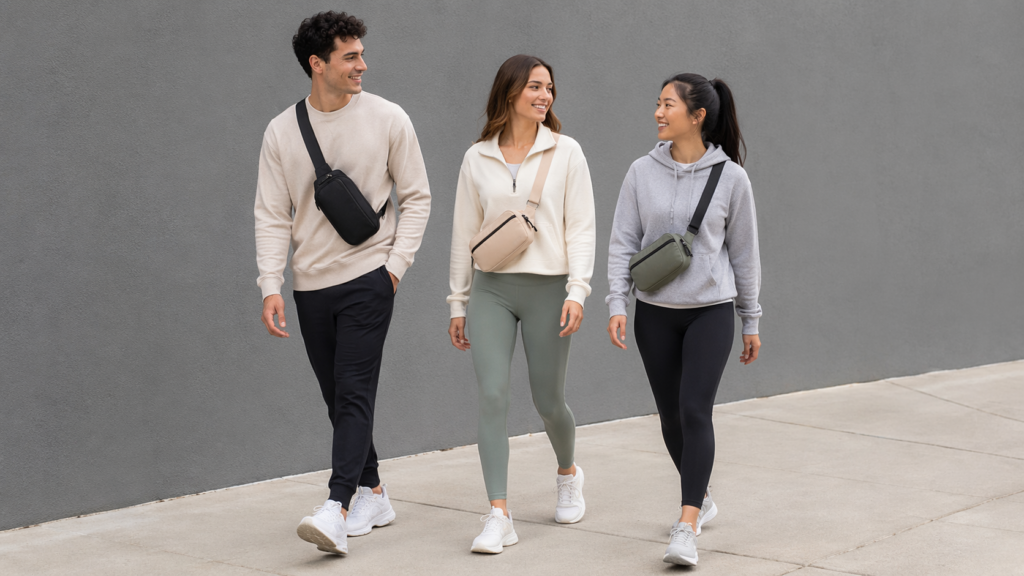
This is not the place for a cute outfit or stiletto sandals. The Goodwill Bins are about 4 feet wide and 10 feet long (at least) so you’re going to be reaching across, digging down into the bins and then moving layers of items around to get to the good stuff. All the while, there’s might be someone (that you probably don’t know) standing right next to you, doing exactly the same thing you are. Be prepared to have your toe stepped on once or twice and to grab an item at exactly the same time someone else does.
You’ll be:
- Bending
- Reaching
- Digging
- Standing for long periods
Wear:
- Comfortable clothes
- Closed-toe shoes
- Something you don’t mind getting a little dusty
Bring a Crossbody Bag (Keep Your Essentials Secure)
The Goodwill Bins can get busy—especially during bin rotations. You’ll be moving quickly, bending, reaching, and navigating around other shoppers.
That’s why it’s important to keep your personal items secure and close to your body at all times.
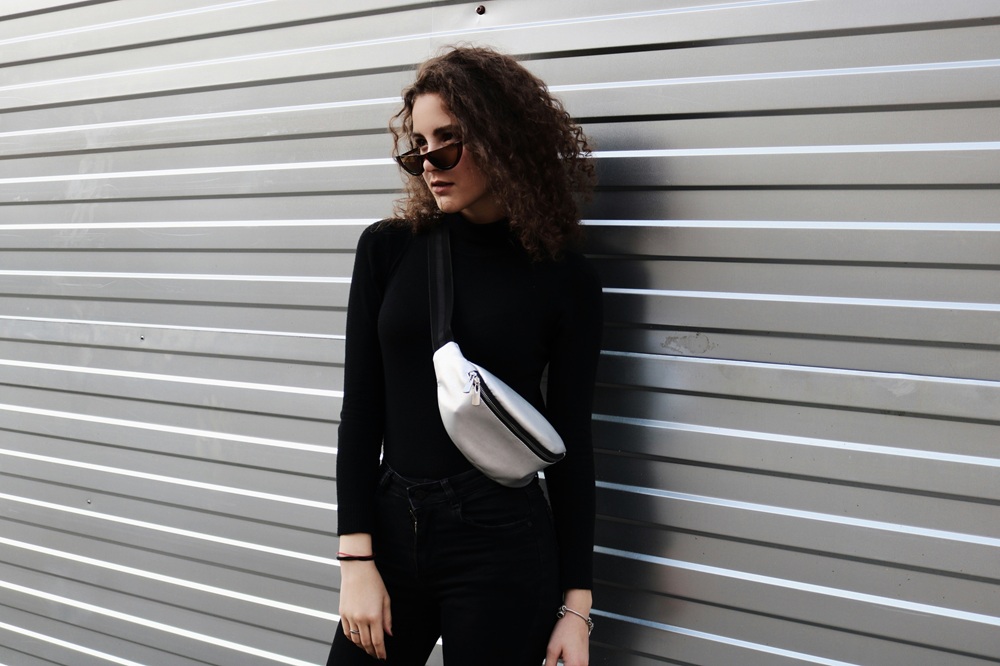
The best option? A crossbody or sling bag like this. You can keep your hands free, have your wallet, keys and phone securely zipped in and it doesn’t hang down or get caught on handles, hangars, or anything else. You want to always keep it in front of you, not around your back.
Why a Crossbody Bag Works Best
Unlike a tote or backpack, a crossbody bag:
- Stays attached to your body
- Keeps your hands free for digging and sorting
- Reduces the risk of setting your belongings down
- Makes it harder for anything to fall out or get misplaced
When you’re focused on sourcing inventory, it’s easy to lose track of your personal items—this perfect bag solves that problem.
What to Keep in Your Bag
Keep it simple and lightweight. Only bring essentials:
- Wallet
- Phone
- Keys
- Small amount of cash or card
Avoid overpacking—bulky bags get in the way when you’re moving quickly between bins.
What NOT to Do
A lot of beginners make this mistake:
- Leaving their purse in a cart
- Setting their phone down while digging
- Carrying loose items in their hands or pockets
In a fast-moving environment like the Bins, things can easily get lost or misplaced.
Pro Tip: Keep It Zipped and in Front
For extra security:
- Wear your crossbody bag in front of your body, not behind
- Keep it fully zipped at all times
- Adjust the strap so it sits snug and doesn’t swing
Related: What High Profit Resellers Know That you Don’t (But Should!)
Understand How Bin Rotations Work (This Is Where the Money Is)
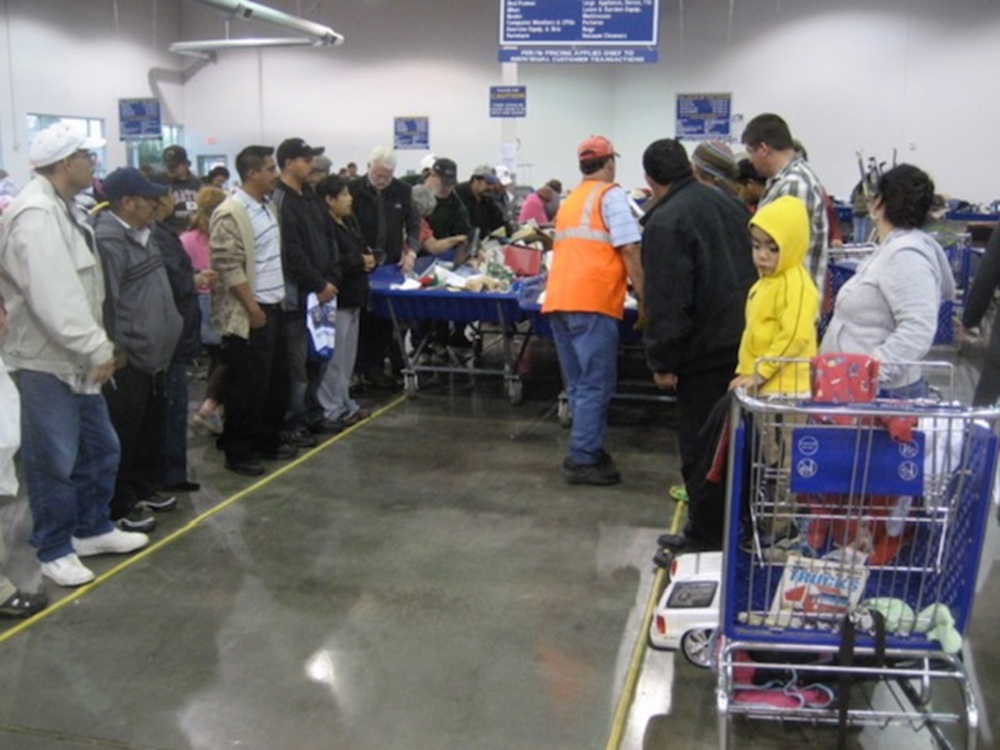
If there’s one thing that separates beginners from experienced resellers at the Goodwill Bins, it’s this: They understand bin rotations.
Most Goodwill Outlet locations rotate in new bins every 15 to 30 minutes, and this is when the best inventory hits the floor.
When a rotation happens, the entire store shifts into a different rhythm.
Here’s what you’ll notice:
- Shoppers are asked to step back from the bins (see the yellow line on the floor in the photo above)
- Employees roll out fresh bins filled with new inventory
- People start lining up around the new bins
- Everyone waits for the signal to begin
And then… it starts.
This is your first opportunity to touch brand-new, unpicked inventory—before it gets picked over.
Why Bin Rotations Matter So Much
The highest-value items are almost always found:
- In freshly rolled-out bins
- Within the first few minutes of a rotation
- Before the crowd spreads everything out
That’s where you’ll find:
- Brand-name clothing
- Vintage pieces
- High-demand resale items
- Items that would normally never sit long in a regular store
If you’re not paying attention to rotations, you’re missing the best opportunities.
How to Position Yourself for the Best Finds
There’s a strategy to this—and once you see it, you can’t unsee it.
Position Yourself Near Rotation Zones
Watch where employees bring new bins out from.
- Doors
- Back walls
- Specific aisles
Experienced resellers already know these spots and stay nearby.
Watch the Regulars (They Know What They’re Doing)
You’ll notice certain shoppers:
- Standing in specific areas
- Moving before bins even arrive
- Lining up early
Follow their behavior—it’s not random.
Be Ready Before the Rotation Happens
Don’t wait until bins are already out.
Instead:
- Finish what you’re doing early
- Move toward rotation areas
- Get into position before everyone else
How to Approach New Bins (Without Wasting Time)
Once you’re allowed to start, you need to move with purpose—not panic.
Go in Quickly, But Stay Controlled
- Move fast enough to grab opportunity
- Stay focused on what you’re looking for
- Don’t blindly grab everything
Scan First, Then Dig
Instead of immediately digging:
- Do a quick visual scan of the top layer
- Look for obvious high-value items
- Then go deeper
This helps you grab the best items before they disappear.
Have a Mental “Target List”
Know what you’re looking for before the rotation starts:
- Specific brands
- Certain styles
- High-profit categories
This keeps you from getting distracted.
Pro Tip: Stay for Multiple Rotations
One of the biggest mistakes beginners make is leaving too early.
The real advantage comes from:
- Watching several rotations
- Learning the timing
- Increasing your chances of finding high-value items
The longer you stay (strategically), the better your haul gets.
Sort As You Shop
Experienced bins shoppers know that trying to look for flaws while standing in front of the bins is a no-go. If you think you may want to get it, put it in your cart. Then once you’ve filled your cart or need a break from going through the bins, move off to the side near a good light source and look for flaws or other issues with what you’ve grabbed. The real professionals use the time during rotations to do this and then *bonus* fold them up to make sure you’re using all available space in your rolling cart. Items you don’t want, just put them back into the nearest bin (of course, clothing into clothing bins, shoes into the shoe bin, etc.).
This saves you time and money at checkout.
Know Your Price Per Item
Since you’re paying by weight, your cost per item can get really low.
Example:
- 20 pounds of clothing at $1.50/lb = $30
- If you grabbed 40 items → $0.75 per item
This is where resellers make their margins.
Be Respectful (There’s an Unwritten Code)
The Bins have their own culture.
Basic etiquette:
- Don’t grab items out of someone’s hands
- Wait for staff during rotations
- Be mindful of personal space
The better your reputation, the easier your sourcing trips become.
Bottom Line
If you show up with:
- A rolling cart
- Your own bags
- Hand Sanitizer or Gloves
- A basic strategy
…you’re already ahead of most first-time shoppers.
The Goodwill Bins can feel chaotic at first, but once you learn the flow, it becomes one of the cheapest and most consistent ways to source inventory for a side hustle or reselling business.